
 020 8444 5555

Evictions Paperwork Must Now Include Breathing Space Details
A new government scheme came into force on 4th May, providing anyone with a debt the legal right to protection from creditors, including tenants in rent arrears. The Debt Respite Scheme, otherwise known as the ‘Breathing Space’ arrangement, has been introduced to allow those in debt to find a solution to their financial issues. And now, in a recent move, the government has announced that details of the scheme must be included within paperwork when seeking to gain possession of a property.

A new government scheme came into force on 4th May, providing anyone with a debt the legal right to protection from creditors, including tenants in rent arrears. The Debt Respite Scheme, otherwise known as the ‘Breathing Space’ arrangement, has been introduced to allow those in debt to find a solution to their financial issues. And now, in a recent move, the government has announced that details of the scheme must be included within paperwork when seeking to gain possession of a property.
Landlords, agents and their solicitors will, from 4th May 2021 onwards, be required to include details of the government’s new Debt Respite Scheme within paperwork when seeking to gain possession of a property, otherwise they could risk the eviction being rejected.
The Debt Respite Scheme, also known as ‘Breathing Space’, gives someone with a problem debt a legal right to protection from creditors for up to 60 days.
As the new regulations were introduced this week, housing minister Christopher Pincher made the decision to insert an amendment into the Assured Tenancies and Agricultural Occupancies (Forms) (Moratorium Debt) (Consequential Amendment) (England) Regulations 2021.
This means that anyone who serves a Section 8 eviction notice using the incorrect template will run the risk of having their case thrown out on a technicality, which of course could prove very costly.
How does the breathing space scheme work?
The breathing space scheme provides that if a tenant has a qualifying debt, for example rent arrears, then they can take advice from an authorised debt adviser and apply for a debt moratorium.
This means that the tenant then has an eight-week breathing space, preventing them from being pursued for the amount they owe, whilst they work with the debt adviser to restructure their finances and find a way to repay their debts.
Tenants are still required to continue paying their rent during the breathing space period, however.
How to guarantee rental income during breathing space agreements?
With tenants being given respite to deal with their debts, it is clearly a worrying time for landlords, especially during the current strained situation brought about by the pandemic. But there is a way for landlords to benefit from some form of respite too.
A guaranteed rent scheme offers landlords complete peace of mind that rent arrears will never become a problem. Even if a tenant is granted breathing space and cannot be pursued for unpaid rent, you will still receive your rent in full every month by standing order.
The homes2let guaranteed rent scheme is based on letting properties to local authority tenants, which means we collect our rent from the local authority rather than directly from the tenant.
The scheme allows you to benefit from full market rate rent, whilst never having to pay any legal fees or management commission. We will however fully manage your property, and this includes sourcing tenants as well as handling repairs and maintenance.
To discover how our guaranteed rent scheme could protect your buy to let investment during financially challenging times, you are welcome to get in touch with our team of local property experts.
Related Insights
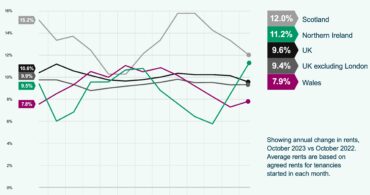
Navigating Tenant Rights in the Face of Rent Increases
In the current rental market, tenants face rising costs due to inflation (higher landlords costs) and high demand, with specific legal protections depending on their tenancy type. Tenants can negotiate with landlords or legally challenge unjust rent increases, particularly through tribunals that assess the fairness of the proposed rent in relation to local market rates. Understanding their rights and the specifics of their rental agreements is key for tenants to navigate these increases effectively.
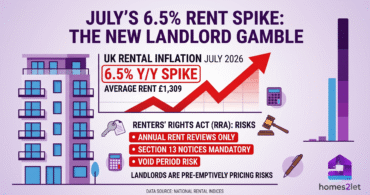
July’s 6.5% Rent Spike: The New Landlord Gamble
Under the new RRA framework, traditional rent review clauses are history. Landlords are now legally restricted to just one review a year, meaning they only get one shot every 52 weeks to adjust for inflation and rising costs. The result? Landlords are aggressively "front-loading" their asking rents right at the start of new tenancies. But in a cooling economy, asking tenants to swallow a 6.5% premium is a huge roll of the dice. Do it wrong, and a single vacant month will instantly wipe out your profits.

Navigating COVID-19: A Guide to Financial Help for Landlords
With many tenants struggling to pay their rent, and repossession rules temporarily restricted, for many landlords these are challenging times. There are however a number of schemes to explore to help landlords navigate the pandemic. Let’s take a look at what’s on offer.