
 020 8444 5555

Everything a Landlord Needs to Know About Trees
Trees are beneficial to the environment, and can be an attractive feature in any garden. But when they grow to towering heights and start blocking light or the roots start causing issues, problems can ensue. For landlords and tenants, the lines of responsibility when it comes to trees can often become blurred. Here we look at landlord’s responsibilities for trees, as well as general rules and regulations for property owners.
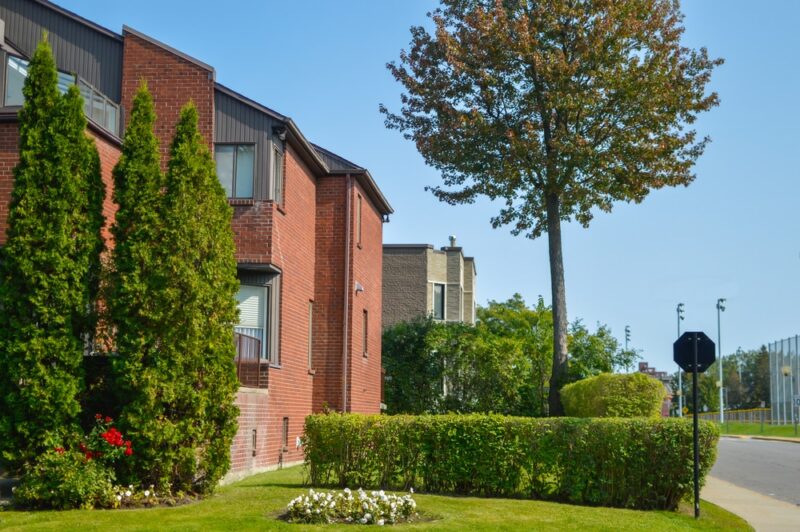
Trees are beneficial to the environment, and can be an attractive feature in any garden. But when they grow to towering heights and start blocking light or the roots start causing issues, problems can ensue. For landlords and tenants, the lines of responsibility when it comes to trees can often become blurred. Here we look at landlord’s responsibilities for trees, as well as general rules and regulations for property owners.
Overgrown trees have the potential to cause problems from blocked light and satellite signals to complaints made under the Anti-Social Behaviour Act 2003.
Certain species pose more of an issue than others. Leylandii for example is a very fast growing tree that is often at the core of many disputes, to the point where specific legislation has been introduced to ease the process of resolving problems without having to resort to expensive litigation.
For landlords, it is essential to be aware of the laws surrounding trees, and aware of the potential disputes that can arise relating to trees on your own land, or on that of a neighbouring property.
Who is responsible for tree trimming, landlord or tenant?
When it comes to tree trimming and general maintenance, tenants are expected to follow the terms of the tenancy agreement. Generally, in terms of trees and gardening, this will only usually require that the garden is kept tidy and maintained to a reasonable standard.
So whilst it would be reasonable to expect tenants to mow the lawn and weed regularly, taking care of trees, for example pruning or dealing with disease, would not usually form part of the tenant’s responsibilities.
Tree pruning is a specialist task that requires expertise in order to be carried out safely. Landlords would therefore be expected to arrange for a tree surgeon to attend on a regular basis to ensure trees are kept in check with regular trimming, and to ensure they are healthy and not posing a safety risk.
It is important to note that if a regular visit by a tree surgeon is promised in the tenancy agreement, then that promise must be kept for the duration of the tenancy.
What is the law on tree ownership?
Here a tree is growing within the boundaries of your property, even if most of its branches overhang another property or the public highway, it belongs to you and is your responsibility.
If debris from your tree falls onto the grounds of a neighbouring property, then there is no legal requirement to clear that debris. However, if leaves, fruit or dead branches are posing a risk to safety, or could potentially cause injury or property damage, then you as the owner of the tree could be liable for damages should a problem arise. It is therefore best practice to maintain your trees well, and to clear up any debris on neighbouring land, or at least offer to.
Am I allowed to trim overhanging branches from a neighbour’s tree?
Where a tree on neighbouring land is overhanging your garden, you have a right to trim the branches back, but only to your boundary.
There is no legal requirement to do so, but in order to maintain good neighbourly relations, you should out of courtesy seek permission before trimming any branches back. Contrary to popular belief, there is no law that dictates you must return anything you have cut down from a neighbour’s tree, unless the neighbour has specifically asked for it. In fact, throwing tree debris into a neighbouring garden could be considered littering and, if you damage their property in the process, you could face action.
It is important for landlords to make all of this clear to tenants so that they know what is allowed and not allowed. The las thing you want is for tenants to be accused of breaking the law or damaging neighbour relations.
What is the law on tree roots?
The roots of a tree can grow up to three times its height.
Any roots of a neighbouring property’s tree that are growing onto your land are considered trespass. This means you are within your rights to cut the roots along your boundary, without permission.
Tree roots have the potential to cause all sorts of property damage, including serious issues such as subsidence and heave. In situations where you are worried that neighbouring tree roots are affecting your property, you could engage a surveyor to monitor for movement. If the tree is on public land, you can ask your buildings insurer to organise a surveyor’s report. If that report shows evidence of subsidence caused by the tree roots, then you will need to take the matter to the local council.
If the tree is on your land and you are concerned it will cause problems for neighbours’ property, or your own, then it is wise to bring in a tree surgeon or surveyor who will be able to advise on the seriousness of the issue. In such situations, you will be responsible for any damage caused, even if the tree was planted well before you purchased the property.
Do I need permission to cut down trees on my land?
Whether or not you can remove a tree depends upon whether it is protected by a Tree Preservation Order (TPO).
TPOs are imposed by the local authority in order to prevent certain trees from being felled, topped or lopped. You may have received written notice from the local authority as to a TPO being placed on a tree on your land, although if the TPO was imposed prior to your ownership, you may not know anything about it.
It is vital therefore, if you are planning on carrying out any sort of tree work, that you first check with the local authority. If you cut down or even just prune a protected tree without permission, even if that tree is dead or diseased, then this will be classed as an offence, and you may face a fine, as well as an order to plant a replacement tree.
If your property is located in a Conservation Area, special rules will apply and again, you will need to check with your local authority as to what you are and are not allowed to do with the trees on your land.
In summary, it is vital that landlords are aware of tree related legislation and that you share your knowledge with your tenants, so that no laws are broken and good neighbourly relations are maintained. Do remember that responsibility for tree care and pruning is wholly the landlord’s responsibility.
Landlord maintenance covered, with guaranteed rent included
There is a great deal to handle as a landlord, not least taking care of trees. So why not hand over to a property management service, but one with a significant added benefit?
The homes2let guaranteed rent scheme secures rental payments, even during void periods, as well as taking all the hassle of property management off your shoulders too. And that includes organising tree and garden maintenance.
Interested to find out more? You are welcome to get in touch with our expert team to discover how we can make your life as a landlord so much more straightforward.
Related Insights
The Ultimate Guide to Becoming a Landlord in 2020
Is it time you started thinking seriously about becoming a landlord? If it’s something you’ve been considering, this guide is for you. From getting started through to vital things to consider, our residential property management experts have all the advice you need to make a go of it.
A Landlord’s Guide to Right of Entry
A lot of landlords are of the opinion that because they own a property, they have an automatic right of entry without first gaining permission from the tenant. There are however clear rules and regulations that dictate when a landlord is allowed, and not allowed, to enter a property, and when tenant permission is required to do so.

Temporary Right to Rent Changes to End
Changes to the right to rent checks introduced in response to the COVID-19 pandemic are set to end in May 2021. Now that COVID infection rates are falling, and lockdown measures are gradually easing, it has been announced that the emergency measure will come to an end on 16th May.