
 020 8444 5555

Evictions Paperwork Must Now Include Breathing Space Details
A new government scheme came into force on 4th May, providing anyone with a debt the legal right to protection from creditors, including tenants in rent arrears. The Debt Respite Scheme, otherwise known as the ‘Breathing Space’ arrangement, has been introduced to allow those in debt to find a solution to their financial issues. And now, in a recent move, the government has announced that details of the scheme must be included within paperwork when seeking to gain possession of a property.
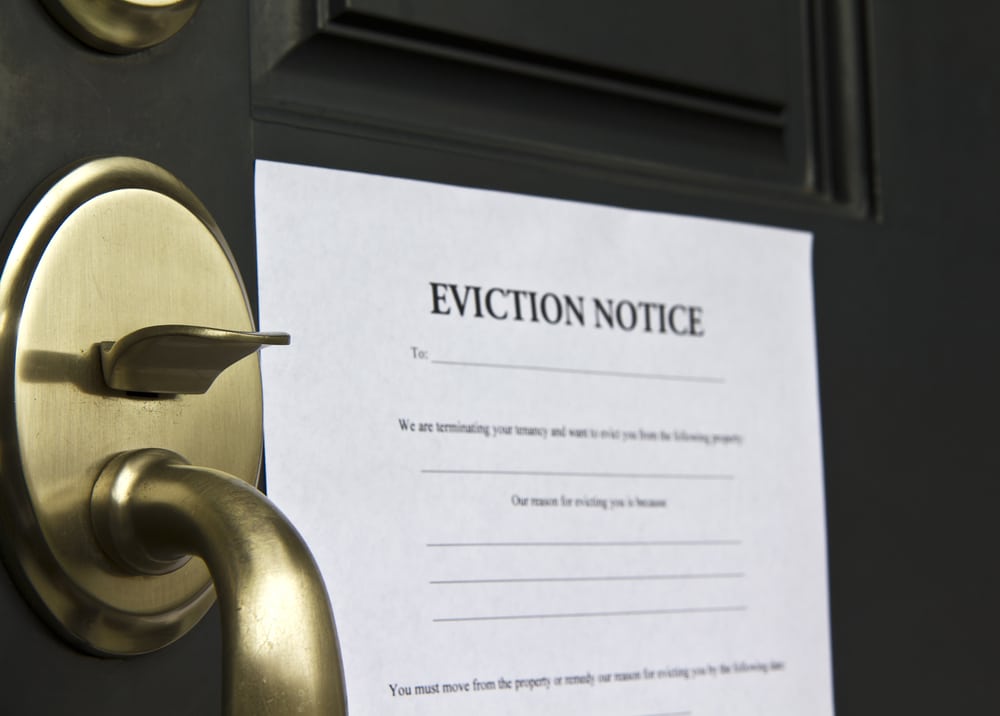
A new government scheme came into force on 4th May, providing anyone with a debt the legal right to protection from creditors, including tenants in rent arrears. The Debt Respite Scheme, otherwise known as the ‘Breathing Space’ arrangement, has been introduced to allow those in debt to find a solution to their financial issues. And now, in a recent move, the government has announced that details of the scheme must be included within paperwork when seeking to gain possession of a property.
Landlords, agents and their solicitors will, from 4th May 2021 onwards, be required to include details of the government’s new Debt Respite Scheme within paperwork when seeking to gain possession of a property, otherwise they could risk the eviction being rejected.
The Debt Respite Scheme, also known as ‘Breathing Space’, gives someone with a problem debt a legal right to protection from creditors for up to 60 days.
As the new regulations were introduced this week, housing minister Christopher Pincher made the decision to insert an amendment into the Assured Tenancies and Agricultural Occupancies (Forms) (Moratorium Debt) (Consequential Amendment) (England) Regulations 2021.
This means that anyone who serves a Section 8 eviction notice using the incorrect template will run the risk of having their case thrown out on a technicality, which of course could prove very costly.
How does the breathing space scheme work?
The breathing space scheme provides that if a tenant has a qualifying debt, for example rent arrears, then they can take advice from an authorised debt adviser and apply for a debt moratorium.
This means that the tenant then has an eight-week breathing space, preventing them from being pursued for the amount they owe, whilst they work with the debt adviser to restructure their finances and find a way to repay their debts.
Tenants are still required to continue paying their rent during the breathing space period, however.
How to guarantee rental income during breathing space agreements?
With tenants being given respite to deal with their debts, it is clearly a worrying time for landlords, especially during the current strained situation brought about by the pandemic. But there is a way for landlords to benefit from some form of respite too.
A guaranteed rent scheme offers landlords complete peace of mind that rent arrears will never become a problem. Even if a tenant is granted breathing space and cannot be pursued for unpaid rent, you will still receive your rent in full every month by standing order.
The homes2let guaranteed rent scheme is based on letting properties to local authority tenants, which means we collect our rent from the local authority rather than directly from the tenant.
The scheme allows you to benefit from full market rate rent, whilst never having to pay any legal fees or management commission. We will however fully manage your property, and this includes sourcing tenants as well as handling repairs and maintenance.
To discover how our guaranteed rent scheme could protect your buy to let investment during financially challenging times, you are welcome to get in touch with our team of local property experts.
Related Insights

Labour’s London Housing Gambit: Unpacking the Plan to Tackle the Capital’s Crisis Amidst Ambitious Targets and Contentious Reforms
In a significant policy shift, London Mayor Sadiq Khan has unveiled Labour's new and controversial strategy to tackle the city's severe housing crisis. At the heart of the "Towards a new London Plan" initiative is a radical proposal: to explore building homes on carefully selected parts of London’s Green Belt for the first time. Citing the urgent need for affordable housing and arguing that much of the Green Belt is inaccessible "grey belt" land, the plan aims to meet a new target of 88,000 homes per year. The move has ignited fierce debate, drawing criticism from environmental groups and political opponents who question its effectiveness and timing, setting the stage for a defining battle over the future of London's landscape.

7 Effective Strategies to Minimise Inheritance Tax and Maximise Guaranteed Rent on Your Property
Reducing inheritance tax on your property is essential to maximise the value passed to your heirs. Learn effective strategies like gifting, trusts, and exemptions to minimise your tax burden.

How Buy-to-Let will be Impacted by a Shrinking Economy
Landlord, letting agent or estate agency, the COVID-19 crisis will have affected you in some way. For some, the effects will have been considerable, with the financial fallout of the pandemic at the heart of the problem. But does it have to be a problem? To what extent will buy to let actually be impacted by a shrinking economy?