
 020 8444 5555

Floods in Rental Properties: A Landlord’s Responsibilities
The Environment Agency says that there are over five million properties in England that face a risk of flooding. Landlords are right to worry over their responsibilities should a flood become a problem, especially if it leads to the property becoming uninhabitable. It is therefore useful to know what would be expected of you as a landlord in the event of a flood. Precisely what we are covering in this post.
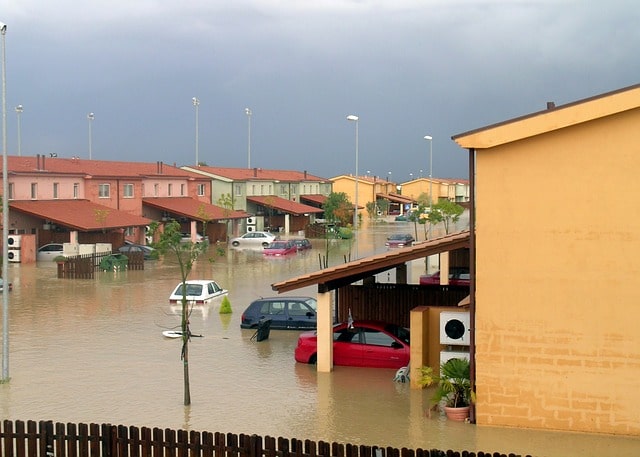
The Environment Agency says that there are over five million properties in England that face a risk of flooding. Landlords are right to worry over their responsibilities should a flood become a problem, especially if it leads to the property becoming uninhabitable. It is therefore useful to know what would be expected of you as a landlord in the event of a flood. Precisely what we are covering in this post.
What are a landlord’s responsibilities following a flood in a rental property?
Floods that occur due to natural events are down to the landlord to deal with. Floods caused by tenant negligence, however, are the responsibility of the tenant to rectify any damage, and cover the costs. Tenant negligence that leads to floods could be leaving a tap running or altering pipework without permission, for example.
For floods that are NOT the tenant’s fault, landlords will need to take steps to return the property to the condition it was in beforehand. This might include resolving any damage to flooring, walls, doors and structural elements; repairing or replacing carpets, furniture, appliances and any affected fixtures and fittings, and cleaning, humidifying and redecorating any areas of the property that have been water damaged.
What if a tenant’s property is damaged by a flood?
Tenants are always responsible for their own property and it is down to them to arrange contents insurance. If a tenant’s belongings are damaged by a flood, replacing them will be at their cost.
Whilst this is usually a given in any tenancy agreement, it is good practice to make it clear to tenants how things like this work so that there are no misunderstandings.
Are landlords required to rehouse tenants if a flood renders a property unfit for habitation?
If a flood is down to landlord negligence, for example it is a breach of Section 11 of the Landlord and Tenant Act 1985, going against the requirement to maintain the property in a good state of repair, then the landlord will hold full responsibility for rehousing the tenant and takings care of all the costs involved.
For floods that occur as a result of a natural event leaving tenants in need of rehousing, the responsibility will usually lie with the local authority to source suitable alternative accommodation for the tenant.
Are tenants still liable for their rent when a property has been flooded?
The tenancy agreement will set out whether or not a tenant will need to carry on paying their rent following a flood or any other similar event.
Sometimes there will be a clause that dictates whether any rent already paid for the period during which the property cannot be lived in will have to be returned to the tenant. Where no such clause exists, the tenant will in theory have to continue paying the rent, although it can be very difficult to enforce.
How to reduce the risks associated with floods in rental properties?
Education about timely reporting of issues is key in keeping the risk of flooding to a minimum. Make sure tenants know to report any issues that could turn into major problems without delay, and that they know what to look for. Also ensure tenants are aware of where stopcocks are located.
Regular maintenance checks and mid-term inspections will highlight any developing issues, so be sure to carry these out frequently.
homes2let: the property management service that takes care of every landlord need
If you would prefer to hand over all your landlord responsibilities, including arranging regular property inspections and maintenance checks, why not consider homes2let?
Not only will everything be handled for you, including sourcing and referencing tenants, arranging property inspections and returning the property to a rentable condition at the end of the tenancy, but you’ll also get your rent paid in full every month, even when the property is untenanted, courtesy of the homes2let guaranteed rent scheme.
Interested to discover more? You are welcome to get in touch with our expert team.
Related Insights

What the Delay to Making Tax Digital Means for Landlords
Originally due to be introduced in April 2023, HMRC Making Tax Digital for Income Tax has now been pushed back to April 2024. What this means for taxpayers and, in particular landlords, is the subject of this latest post.

Current Market Trends: House Prices on the Rise
The current climate of rising house prices presents a complex landscape for both prospective buyers and existing homeowners. For those looking to enter the market, the dream of homeownership may feel increasingly out of reach as competition intensifies and affordability becomes a major concern. Conversely, sellers are finding themselves in a potentially advantageous position, with many properties attracting multiple offers and selling above asking price. Understanding the nuances of this dynamic market is crucial for making informed decisions...

What are the Repair and Maintenance Obligations of a Landlord?
In the private rented sector, landlords are generally expected to keep any property let to tenants well-maintained and in a good state of home repair. By the same token, tenants must ensure they act in a ‘tenant-like manner’, not causing damage to the property other than anything that can be classed as ‘fair wear and tear’.