020 8444 5555


How has COVID-19 Changed Property Management?
Property services managers take care of a host of things, many of which have been impacted by the coronavirus pandemic. Let’s take a look at how COVID-19 has changed the various aspects of property management including safety checks and rent collection.

A lot of landlords rely on property management companies to take care of their investments, especially when they prefer not to be hands-on because they have so many other responsibilities to deal with. Property services managers take care of a host of things, many of which have been impacted at varying levels by the coronavirus pandemic. Let’s take a look at how COVID-19 has changed property management.
Landlord safety checks
There are numerous safety checks that landlords are legally required to ensure are undertaken. Property management companies take care of legal compliance on a landlord’s behalf.
Electrical safety – the Electrical Safety Standards Regulations apply to all new tenancies in England from 1 July 2020 and existing tenancies from 1 April 2021. All fixed electrical installations must be inspected and tested at least every five years by a qualified person.
Fire safety – various legislation applies, including the Regulatory Reform (Fire Safety) Order 2005 England and Wales, The Housing Act 2004 and the Smoke and Carbon Monoxide Alarm (England) Regulations 2015. A range of safety checks are required.
Gas safety – under the Gas Safety (Installation and Use) Regulations 1998, all gas appliances in rented properties must be checked every year by a Gas Safe registered engineer to ensure they are safe.
Because of the COVID-19 outbreak, landlords may find it difficult to arrange all the necessary checks, particularly if tenants are self-isolating. The Health and Safety Executive (HSE) advises balancing the risk to safety of the household and the public presented by the gas and electrical systems and potential fire hazards against the risk to tenants’ health from coronavirus.
Current guidance from the Government states that work can be carried out in people’s homes provided that the GOV.UK guidance on social distancing and good hygiene is followed. The resource, safer working – other people’s homes provides guidance regarding working in peoples’ homes.
If safety checks cannot be carried out, it will usually be enough to demonstrate that reasonable steps were taken to do so. If access to a property is not possible, maybe because tenants are self-isolating, or if registered engineers aren’t available, landlords must demonstrate that reasonable steps were taken to comply with the law.
Property management companies will advise that safety checks definitely shouldn’t be suspended at this time due to the potential risk to the tenant, especially as people are spending more time at home.
Interim inspections
Interim property inspections during the course of a tenancy are a vitally important aspect of property management. They flag up any developing maintenance related issues so they can be dealt with before they turn into major problems.
During the COVID-19 situation, property inspectors are permitted to undertake mid-term visits providing they follow social distancing and hygiene protocol in line with government advice. Only if tenants are self-isolating or shielding should interim inspections be re-scheduled and your property services management team will take care of that for you.
Rent collection
Rent collection may have become more of a challenge with tenants facing financial difficulties because of coronavirus, but there is no legislation that would prevent a landlord from demanding rent. If a tenancy agreement has been broken due to non-payment then possession proceedings can be pursued, although currently Section 8 possession orders are suspended due to coronavirus and any applications will be put on hold until the suspension ends.
There is more information here in the coronavirus and renting guidance for landlords and tenants.
A rent guarantee scheme takes away the uncertainty. Even in the most extreme of uncertain times, the rent is still paid.
Property maintenance
Essential property maintenance can be undertaken during COVID-19. Any issue that may pose a direct risk to the safety of a tenant’s home, such as a burst pipe, a blockage or a leak is classed as essential. Heating and hot water are also essential, so if there is a problem with a radiator or boiler these can be dealt with, providing the tradesperson is not displaying any coronavirus symptoms.
The government has stated that no work can be carried out in any household that is self-isolating. The only exception is where there is a direct risk to the safety of the household. It is also important to ensure that Public Health England guidelines are followed, including maintaining a two-metre distance from any household occupants. Propertymark offers some excellent comprehensive information and resource links.
Changes to property services during coronavirus – in summary
In summary, all elements of property management tasks still remain vitally important during the coronavirus pandemic, the key changes being connected with social distancing and hygiene measures.
If you are looking for certainty in uncertain times, why not explore the benefits of the homes2let rent guarantee scheme? Brought to you by experts in the know, this could mean that rental payments are the one area that doesn’t change for you during the pandemic.
Related Insights
The Ultimate Guide to Becoming a Landlord in 2020
Is it time you started thinking seriously about becoming a landlord? If it’s something you’ve been considering, this guide is for you. From getting started through to vital things to consider, our residential property management experts have all the advice you need to make a go of it.

Important things to Consider When Renting to Families with Children
For landlords, families often make attractive tenants, with their preference for long term lets. If you are thinking about renting to families with children, there will be various considerations to make, not least whether your property is suitable. Read on as we explore how to establish whether a property is right for family rentals, and other things to contemplate when letting to families with children.
New Rules for Landlords on Smoke and Carbon Monoxide Alarms
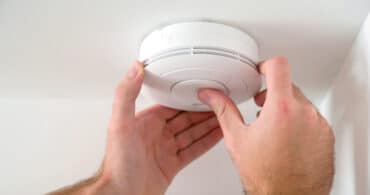
Private and social landlords are set to face tougher new rules, making it a legal requirement to fit smoke alarms in all types of rented accommodation, regardless of tenure. The conditions under which they must be fitted will also be widened. Read on for an update on the latest landlord smoke alarm requirements for the UK.