 020 8444 5555

Renting Property: To Furnish, or Not to Furnish?
One of the key questions for landlords when preparing to rent out a property has to be, to furnish, or not to furnish? It is certainly an important consideration, as it will have a direct impact on the type of tenant you attract, and the amount of rent you can charge. Let’s explore the pros and cons of renting furnished or unfurnished so that you feel ready to make the ultimate choice for yourself.
One of the key questions for landlords when preparing to rent out a property has to be, to furnish, or not to furnish? It is certainly an important consideration, as it will have a direct impact on the type of tenant you attract, and the amount of rent you can charge. Let’s explore the pros and cons of renting furnished or unfurnished so that you feel ready to make the ultimate choice for yourself.
When it comes to rental property, there is actually no legal definition of furnished or unfurnished, but there are some general expectations about what will and will not be included in both instances.
What does unfurnished mean?
The term ‘unfurnished’ may insinuate that the property will be completely empty at the start of a tenancy. However, even in an unfurnished property, there are some fixtures and fittings that will be expected. These include:
- Kitchen fixtures – sink, cabinets and anything built-in, such as an oven
- White goods – fridge, freezer, washing machine, etc.
- Bathroom fixtures – sink, bath, toilet and shower
- Flooring – carpets or hard flooring
- Window coverings – curtains or blinds
If you are renting out your property with any of the above missing, then it is important to let prospective tenants know in advance as these are crucial items that are needed for day to day living, and your tenants will need to make arrangements to supply their own.
What does fully furnished mean?
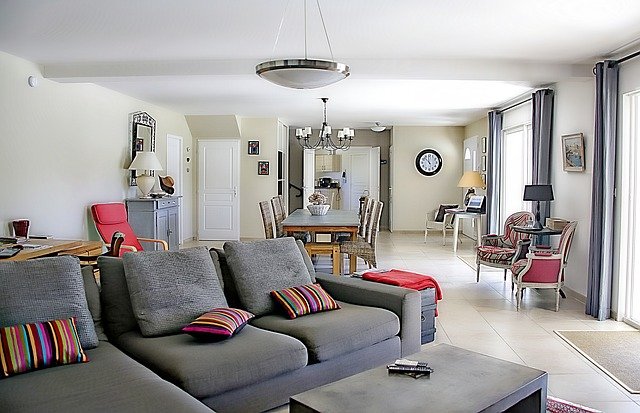
A furnished rental property is one that is supplied with more than the bare minimum of an unfurnished property.
Whilst there is no legal definition for a furnished rental property, the following will typically be included in addition to those items included in an unfurnished property:
- Bed(s)
- Table and chairs
- Sofa and / or armchairs
- Wardrobe and / or chest of drawers
Some landlords choose to provide additional items in a furnished let, such as bedside cabinets, a coffee table, lamps and other freestanding storage such as a sideboard.
What does part furnished mean?
A part furnished private rental is the mid ground between an unfurnished and furnished property. There may be a few pieces of furniture, but not enough to deem the property fully furnished.
A part furnished let provides tenants with the flexibility to bring their own furniture, whilst filling in with the pieces you can supply.
Landlords of part furnished properties tend to have a storage facility where they keep items and supply them on an as-required basis to tenants in order to complement their own pieces.
What are the benefits of letting a furnished property?
It is important to ascertain whether the typical tenant in your area will prefer renting furnished or unfurnished property. Preferences vary from location to location, so if in doubt, discuss the matter with your letting agent or property manager.
The following are some of the key benefits of renting out a property furnished:
- Faster lets – furnished properties tend to enjoy faster uptake and fewer void periods than unfurnished homes, although this really does depend on location. For city lets in London, the furnished option tends to be the favourite.
- Wider audience – a furnished rental tends to appeal to a wider audience, especially students and young professionals.
- More income – if you are letting your property furnished, then you will be able to charge a higher rental rate.
What are the benefits of letting an unfurnished property?
Here are some of the reasons why landlords choose to rent their properties unfurnished:
- Long term lets – tenants seeking to settle down for the long term tend to want to bring their own furniture or buy new.
- Lower costs – not having to furnish a property means lower initial costs, and no repair or replacement costs at the end of each tenancy.
- Cheaper insurance – without your own furnishings, it won’t be necessary to arrange landlord contents cover.
- Less hassle – having to include furniture on a mid-term or check-out inspection means more detailed report and therefore higher costs, and a lot more hassle when it comes to assessing damage.
What are the legal implications of letting a property furnished?
If you plan to let your rental property furnished, then you will need to include reference to such within your tenancy agreement. The agreement is where you get to set out any expectations you have concerning the upkeep of fixtures, fittings and furnishings.
You should bear in mind that acceptable wear and tear is allowable within a rented property, and this covers furnishings.
When letting furnished property, you will need to ensure that any items provided meet with current safety standards:
Electrical installations – must meet electrical safety standards and, whilst not a legal requirement, it is recommended that electrical appliances undergo a Portable Appliance Test (PAT) to ensure they are in safe working order.
Gas appliances – the Gas Safety (Installation and Use) Regulations 1998 provides that all gas appliances in privately rented properties must be checked annually by a Gas Safe registered engineer to ensure they are safe.
Furniture – most soft furnishings supplied in furnished rental property must comply with the Furniture & Furnishings (Fire) (Safety) Regulations 1988 (as amended). These Regulations set out levels of fire resistance for domestic upholstered furniture, furnishings and other products containing upholstery. It is the landlord’s responsibility to ensure all upholstered furniture is compliant. To supply furniture and furnishings outside of the Regulations constitutes a breach of the Consumer Protection Act 1987. The majority of upholstered furniture, including mattresses, armchairs and sofas, must by law display permanent fire safety labels.
How does letting a property furnished affect tax?
For landlords letting furnished property, it is possible to claim for replacement of domestic items relief. The items that qualify include beds, furniture, appliances, curtains and blinds, carpets, and crockery and cutlery.
Replacement of domestic items relief is only available for expenses incurred from 6 April 2016 for Income Tax purposes. There’s more information about allowable expenses in our dedicated guide.
Renting furnished or unfurnished? However you approach your private let, you can guarantee your rent with homes2let.
Looking for a way to guarantee your monthly rental payments whilst reducing your management time and cutting running costs too? Take a look at the homes2let guaranteed rent scheme.
With this scheme, you let your property, furnished or unfurnished, to local authority tenants. Your rent is paid every month by standing order on a guaranteed basis, even during void periods. It’s a fully inclusive service, removing the likes of letting agent fees, legal costs, inventory charges and marketing costs.
To learn more about how our council guaranteed rent scheme could save you time and money as a landlord, why not get in touch with our helpful team?
Related Insights

Landlord Advice on Moving Out Self-Isolating Tenants
The government has recently made it clear as to how landlords and letting agents should deal with the issue of self-isolating tenants who are due to move out of a property. Junior Housing Minister Eddie Hughes has said that accommodation providers are ‘strongly urged’ to be flexible when it comes to extending tenancies and delaying moving tenants out if they are isolating due to COVID-19.

Unpaid Utility Bills: Who Pays, Landlord or Tenant?
A common concern amongst landlords is what happens if a tenant moves out leaving unpaid utility bills. Whether it falls to the landlord to settle the debts, or it remains the responsibility of the tenant, is precisely what we are setting out to provide clarity on in this post.

Understanding Houses in Multiple Occupation (HMOs) for Property Investors
Learn about Houses in Multiple Occupation (HMOs), their licensing requirements, and safety standards. Ensure compliance to avoid penalties, provide safe, affordable housing for tenants and how to maximise your investment return by using guaranteed rent.