 020 8444 5555

Smoke Alarms in Rental Properties: What You Need to Know
All landlords in England have a responsibility under the Smoke & Carbon Monoxide Regulations to ensure smoke and carbon monoxide alarms are provided in private rented property. Read on as we set out in clear, easy steps all you need to know about smoke alarms in rental properties in order to stay compliant and protect your tenants.
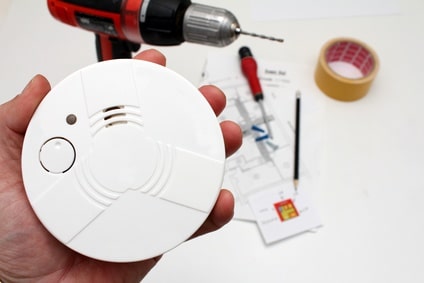
All landlords in England have a responsibility under the Smoke & Carbon Monoxide Regulations to ensure smoke and carbon monoxide alarms are provided in private rented property. Read on as we set out in clear, easy steps all you need to know about smoke alarms in rental properties in order to stay compliant and protect your tenants.
All rental properties in England are required by law to comply with the Smoke & Carbon Monoxide Regulations.
What are landlords’ responsibilities under the smoke alarm regulations?
The Regulations, put in place to protect private sector tenants from the risk of fire and carbon monoxide poisoning, require that a minimum of one smoke alarm is installed on every floor of a property where there is a room used in whole or in part as living accommodation. In addition, a carbon monoxide alarm must be placed in any room used in whole or in part as living accommodation, where there is a solid fuel-burning appliance.
Under the Regulations, which have been in force since October 2015, landlords, or their agents, must ensure that all the required alarms are in proper working order on the first day of every new tenancy.
Local authorities are responsible for enforcing the Regulations. In cases of non-compliance, they have the power to impose fines of up to £5,000 should a remedial notice be ignored.
Who is responsible for smoke and carbon monoxide alarms during a tenancy?
Once a smoke or carbon monoxide alarm has been tested on the first day of a tenancy, it is then down to the tenants to take responsibility for their own safety, testing alarms regularly to ensure they continue to work. Monthly testing is recommended.
Landlords should make it clear to tenants that should an alarm be found to be not working correctly, they should either replace the batteries themselves, or let the landlord or their agent know that action needs to be taken. If a carbon monoxide alarm has reached the end of its life, the landlord should also be notified. An audible warning on the alarm will indicate that it is time to replace the unit.
A mid-term inspection will reveal whether alarms are in working order, so it is important to ensure these are carried out regularly.
What is meant by ‘living accommodation’?
A room is classed as ‘living accommodation’ if it is used for the primary purpose of living, or is a room in which a person spends a significant amount of time.
A bathroom or WC would be classed as living accommodation for the purposes of the Regulations.
What is a ‘solid fuel burning appliance’?
This means appliances powered by any type of solid fuel, such as coal or wood. A coal fire, a wood burning stove or a solid fuel cooker will all fall into this category. Basically, anything that will give off combustion gases, including biomass systems, will pose a risk, and so will need a carbon monoxide alarm placed nearby.
Whilst oil isn’t classed as a solid fuel, oil appliances are well-known to carry a risk of carbon monoxide poisoning, so it is recommended for safety to place an alarm in any room where there’s an oil burning appliance.
What tenancies do the Regulations apply to?
The Regulations apply to any tenancy, lease or licence of residential premises in England that gives somebody the right to occupy all or part of the premises as their only or main residence in return for a rental payment.
There are a few exemptions, including long leases, accommodation shared with a landlord’s family, student halls of residence and some types of healthcare accommodation.
Legal compliance made easy with help from homes2let
Ensuring compliance with all the applicable regulations can be tough for landlords, especially on top of everything else that needs to be taken care of.
If you’d rather not spend your time worrying about regulatory obligations such as smoke alarms in rental properties, why not hand over your property management to homes2let? Not only will we take care of the legal side of everything, we’ll also handle day to day maintenance and tenant sourcing, as well as ensuring you receive your rent in full every month, without question, even during void periods.
To learn more about how we can make your life easier as a landlord, please get in touch with our helpful team.
Related Insights

The New Green Homes Grant: What does it mean for Landlords?
Landlords are set to benefit from the Government’s latest scheme which offers vouchers up to £10,000 to cover the costs of making energy efficiency improvements to privately rented properties. Now is the ideal time to start gearing up for the new energy efficiency measures currently under consultation, which could demand that all properties let privately from April 2025 meet an EPC rating of C or above.

What Landlords Need to Know About Current Eviction Rules
The national ban on residential evictions that ran for six months until 20th September, followed by the introduction of new six month notice periods for evictions which will be in place until at least the end of March 2021, have put additional pressure on landlords already facing tough times during the pandemic. So what can landlords do to find their way through these challenging times?
Energy Efficiency Regulations: Changes on the Horizon
Since 1 April 2020, it has been law for landlords to ensure all their privately rented properties reach a minimum E-rating for energy performance. This includes all new and existing tenancies. Measures are now being put in place to enforce compliance, and plans are afoot to increase the rating requirement from ‘E’ to ‘C’ for all new tenancies from 2025 and all existing tenancies from 2028.