
 020 8444 5555

What Type of Flooring is Best for a Rental Property?
Choosing the right floor covering could mark the difference between high maintenance and even higher costs, and reining in that bottom line for a greater yield. But with so many options, it can be difficult to know which to go for. Here we explore the best flooring options for rental properties, taking into account maintenance, durability and appeal.
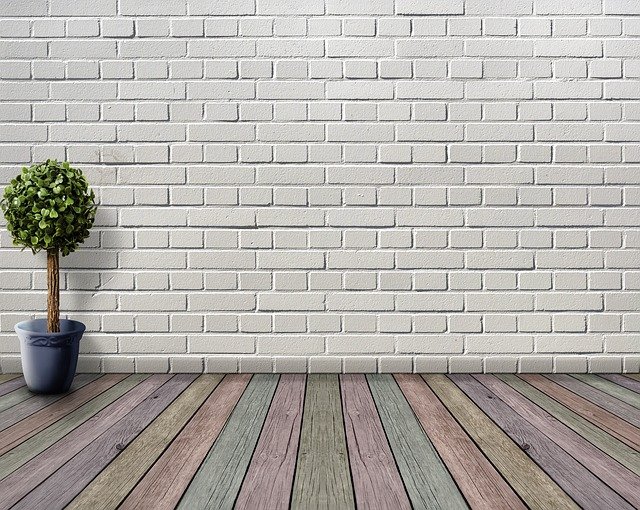
With any aspect of furnishing and décor in a rental property, it is important to balance aesthetic appeal with durability and budget. This is especially important with flooring. Choosing the right floor covering could mark the difference between high maintenance and even higher costs, and reining in that bottom line for a greater yield. But with so many options, it can be difficult to know which to go for. Here we explore the best flooring options for rental properties, taking into account maintenance, durability and appeal.
What to consider when choosing flooring for a rental property?
When choosing flooring for your rental property, you will need to strike a balance between creating a homely, welcoming feel for your tenants, and enduring everyday wear and tear.
Durability
Durability is a crucial consideration if you want to avoid the expensive and disruptive process of replacing the flooring at the end of each tenancy.
Tenants will appreciate low-maintenance flooring, and so will you. An easy-clean carpet for rental property for example will offer exceptional savings in carpet cleaning costs, whilst aiding insulation and keeping heating bills down too, making the property more attractive to tenants.
Type of property
The style and type of property will influence your choice of flooring. If all else fails, you can always go neutral, but otherwise, blending style with property type is a good approach.
For example, a contemporary property tends to lend itself to more modern floor coverings, such as laminate or stone, whereas rough sawn floorboards may be more appropriate for a more rustic, cottage-style home, or parquet flooring for a period property.
For flats, always bear in mind the noise factor. Consider the neighbours below, and be mindful when choosing your flooring. It may be more appropriate for example to go for carpet rather than hardwood, especially if you are keen to avoid complaints from downstairs.
Also think in terms of the size of the property. Smaller spaces lend themselves more to paler shades and less fussy flooring designs, as these give the effect of more spacious surroundings.
Type of tenants
Always consider who you will be renting to when choosing your flooring. Carpet is usually the safer and commonly preferred option for families with children. Busy young professionals will appreciate a contemporary but low-maintenance, hassle-free floor. And then there are tenants with pets.
If you are renting to tenants with pets, you’ll need to think carefully about flooring and choose something that is easy to keep clean. A thin pile carpet, or scratch-resistant laminate or vinyl, may prove the wiser option.
Bear in mind that the prospect of keeping a light coloured carpet clean may be off-putting for tenants, so try to choose natural tones or elegant neutral greys that will stay looking attractive for the duration of the tenancy.
Budget
If you are looking to maximise your rental yield, you probably won’t be keen to splash out on a top of the range floor, especially taking into consideration wear and tear.
Cheap isn’t always best though, so try and find a balance between durability and cost-effective. Usually, hard-wearing carpet for rental property is the best option, with laminate or vinyl coming in a close second.
Rental property flooring options
Now you have your considerations in hand, it is time to explore the various options for rental property flooring.
Carpet for rental property
Carpet is relatively low cost and offers a warm and homely feel. It is also good for muting noise, especially useful in HMOs or terraced properties. There is of course an abundance of colours to choose from, so it’s easy to match the flooring to your décor.
You will however need to consider the potential for stains, wear and tear and professional cleaning. Also think about the fact that carpet can harbour allergens such as dust, which could be off-putting for certain tenants.
Laminate flooring for rentals
Laminate flooring is affordable and available in an array of designs that can resemble the look of real wood, tiles or stone.
This type of flooring is highly resistant to scratches and everyday wear and tear. It is also easy to install, ideal for landlords requiring a fast turnaround.
Do bear in mind though that laminate flooring isn’t as hard wearing as the real thing, and can be noisier to walk on than carpet. It can also be slippery, and not suitable for high moisture areas.
Vinyl flooring for property lets
Vinyl flooring is one of the most popular options amongst landlords. Low-maintenance and cost-effective, it is a breeze to clean and maintain. It is also tolerant of moisture, as well as being noise-absorbent.
On the downside, vinyl flooring can be more susceptible to scratches and tears. If you have fitted sheet vinyl and part of it is damaged, you will need to refit the flooring in its entirety. Vinyl tiles may therefore be a better option.
Expert property management advice from homes2let, the guaranteed rent specialists
Looking for a way to guarantee your monthly rental payments whilst reducing your property management time and boosting yield? The homes2let guaranteed rent scheme could be the right choice for you.
With this scheme, your rent is paid every month by standing order on a guaranteed basis, even during void periods. It’s a comprehensive service, removing the burden of letting agent fees, legal costs, inventory charges and marketing costs off your shoulders.
To learn more about how our council guaranteed rent scheme could save you time and money as a landlord, why not get in touch with our helpful team?
Related Insights

What Happens When the Croydon Selective Licensing Expires in October 2020?
The current selective licensing scheme that applies to privately rented properties in Croydon is set to come to an end on 30 September 2020. The question for landlords Croydon wide is, what happens next?

Deposit Replacement Schemes Explained
It is often challenging for prospective tenants to find the necessary deposit to secure a property. Even though the Tenant Fees Act 2019 capped deposits at five weeks’ rent, it can still be a considerable sum to gather together. It is no wonder then that the deposit replacement scheme has become a viable alternative for tenants. But how do these schemes work, and should you be relying on them as a landlord?

Breathing Space: Debt Respite Scheme to Prevent Landlords From Chasing Unpaid Rent
From 4th of May 2021, a new government scheme will come into force that will give anyone with a problem debt a legal right to protection from creditors. This includes tenants who are in rent arrears with a debt owed to their landlords. The ‘Breathing Space’ arrangement, otherwise known as the Debt Respite Scheme, will allow debtors time to find a solution to their financial issues.