
 020 8444 5555

What Happens When the Croydon Selective Licensing Expires in October 2020?
The current selective licensing scheme that applies to privately rented properties in Croydon is set to come to an end on 30 September 2020. The question for landlords Croydon wide is, what happens next?

The current selective licensing scheme that applies to privately rented properties in Croydon is set to come to an end on 30 September 2020. The question for landlords Croydon wide is, what happens next?
Property licensing can be a complicated topic to fathom. In some locations, the only instance in which a licence is required by a residential landlord is when the property being let is a house in multiple occupation (HMO), and it falls under the definition of a ‘large HMO’ and therefore requires a mandatory HMO licence. However, in other locations, individual councils have their own rules in place. So in some areas, it may be the case that additional or selective licensing applies.
Over half of London boroughs currently operate additional or selective licensing schemes, so it is important for London landlords to be aware of which rules apply in their area.
What is selective licensing?
Part III of the Housing Act 2004 gives councils power to put in place a selective licensing scheme covering pretty much all the privately rented properties within a designated geographical zone. In the London Borough of Croydon, almost all privately rented properties must be licensed, because a selective licensing scheme is in place. This scheme was implemented on 1 October 2015, and runs until 30 September 2020. There are a few exemptions, but not many.
Landlords Croydon wide should be aware that the selective licence will be required for any house or flat that is rented to a single person, a couple, or a single household anywhere in the south London borough. Selective licences are also required for HMOs that do not fall under the mandatory HMO licensing scheme (in other words, those not classed as a large HMO).
The question though on the minds of any letting agent, landlord or property management company in Croydon at this time has to be, what will happen when the current selective licensing scheme comes to an end in October 2020?
What next for Croydon’s selective licensing scheme?
Well, Croydon Council has put together plans for a replacement selective licensing scheme to take over from the current one that expires on 30 September 2020.
An application was made to the government on 20 Jul 2020 following a 12-week consultation that culminated in Cabinet approval on 11 May. The consultation proposed three options for a renewed scheme, with the final choice being one that covers the entire borough, targeting anti-social behaviour across six wards in South Croydon, and poor housing conditions in 22 wards, mainly in the north and centre of the borough.
Final government permission is required for any new licensing scheme that covers over 20 per cent of the private rented sector, or 20 per cent of the geographical area of the borough.
According to the Croydon Council website, the application is now in the final stage of 10 months’ work.
Over 48,500 properties are covered by the existing borough-wide scheme, launched with the aim of ensuring private landlords Croydon wide meet a range of housing, environmental and safety standards. Under the scheme, all Croydon landlords must hold a Croydon property licence and comply with certain requirements. This includes six-monthly inspections, safety measures and the provision of a sound tenancy agreement.
The council claims that the scheme has so far made it possible to resolve thousands of incidents without the need for further action against landlords. Over 13,000 properties have been inspected, 1,000 enforcement notices served, 75 prohibition orders issued and more than 40 landlords fined or prosecuted.
Continuing the benefits of the Croydon selective licensing scheme
Croydon Council’s deputy leader and Cabinet Member for Homes and Gateway Services, Cllr Alison Butler, is keen to see the benefits of the scheme continue beyond the end of September. She said: “Our landlord licensing scheme has made a positive difference to the lives of thousands of private tenants across the borough, and the proposals we’ve now submitted to government are about building on this crucial work for another five years.”
Landlords in Croydon will continue to pay £750 for the five-year licence, with discounts available, including a reduced £350 fee for current licence holders. More than 80 per cent of landlords licensed under the existing scheme paid a reduced fee.
Cllr Butler also said that the pandemic situation had made it even more important for residents to be able to enjoy a decent, safe and secure home. “It underlines why we need the government to approve our scheme so we can continue to raise living standards in Croydon,” she said.
Landlords, letting agents and property managers in Croydon may be interested in these useful FAQs outlining the details of the newly proposed selective licensing scheme, which is hoped to commence on 1 October 2020.
Landlords in Croydon: Interested in letting your property to the local authority under the homes2let guaranteed rent scheme?
homes2let, South Croydon’s respected provider of safe, secure family homes to local authority tenants, offers a guaranteed rent scheme that Landlords Croydon wide are taking advantage of in large numbers.
To discover how this way of renting your Croydon property could benefit you, you are welcome to get in touch with our friendly team of experts.
Please be advised the current licensing period started on 1 October 2015 and expires on 30 September 2020 therefore if any landlord intends on renting their property within the above timeframe, please be advised they will pay the full license fee and only be covered until the end of October.
Related Insights
Navigating Tenant Rights in the Face of Rent Increases
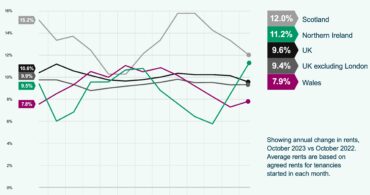
In the current rental market, tenants face rising costs due to inflation (higher landlords costs) and high demand, with specific legal protections depending on their tenancy type. Tenants can negotiate with landlords or legally challenge unjust rent increases, particularly through tribunals that assess the fairness of the proposed rent in relation to local market rates. Understanding their rights and the specifics of their rental agreements is key for tenants to navigate these increases effectively.

A Breath of Fresh Air for Landlords: The EPC Deadline Delay and What It Means for You
Stop Chasing Moving Targets: Secure Your Rental Income Despite EPC Delays The government has officially pushed back the new EPC assessment methodology until late 2027, giving landlords a vital window of breathing space. With 2.4 million rental properties currently rated ‘D’ or below, the path to the 2030 ‘C’ mandate remains a significant hurdle, but this delay offers a rare opportunity to pause and strategise. While the rules of the game are shifting, your income shouldn't have to. At homes2let, we take the guesswork out of compliance. Our Guaranteed Rent service ensures you receive your payments on time, every month, while we navigate the evolving regulatory landscape on your behalf. Don't let legislative uncertainty disrupt your cash flow—partner with the experts who turn compliance into peace of mind.

How Buy-to-Let will be Impacted by a Shrinking Economy
Landlord, letting agent or estate agency, the COVID-19 crisis will have affected you in some way. For some, the effects will have been considerable, with the financial fallout of the pandemic at the heart of the problem. But does it have to be a problem? To what extent will buy to let actually be impacted by a shrinking economy?